Winter Safety
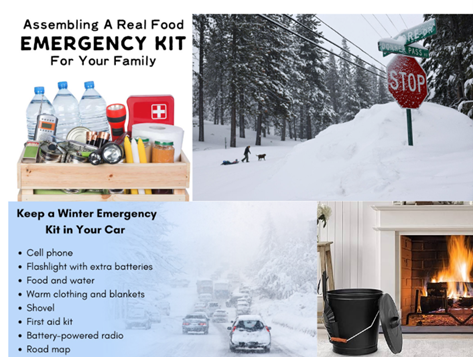
Incline Village, NV — As winter storms move into the Tahoe Basin, the North Lake Tahoe Fire Protection District (NLTFPD) reminds residents and visitors to prepare now. Snow accumulation, strong winds, freezing temperatures, and potential power outages can create hazardous conditions and delay emergency response.
A little preparation goes a long way in keeping your household safe.
Stock Up Before the Storm
Storms can lead to road closures and limited access to stores or pharmacies.
- Keep 3–5 days of food and water per person.
- Refill and stock prescription medications early.
- Have extra pet food and supplies.
- Charge phones and devices in advance.
- Keep flashlights, batteries, and portable chargers ready.
Heating & Fire Safety
Heating equipment is one of the leading causes of winter home fires.
- Keep anything that can burn at least 3 feet away from heat sources.
- Never leave space heaters unattended.
- Dispose of fireplace ashes in a metal container outside and away from structures.
- Have chimneys and flues inspected annually.
- Test smoke alarms monthly.
Fireplace, Wood Stove & BBQ Ash Disposal Safety
Improper ash disposal is a common cause of winter fires. Even when ashes appear cold, hidden embers can remain hot for days.
- Place ashes in a metal container with a tight-fitting metal lid (never plastic, paper, or cardboard).
- Move the metal container outside immediately and place it on a non-combustible surface such as concrete, gravel, or bare soil.
- Keep the container at least 10 feet away from structures and combustible materials, including decks, fences, wood piles, and vegetation.
- Allow ashes to cool for several days — embers can stay hot long after they appear cold.
- Before final disposal, soak ashes thoroughly with water and stir to ensure all embers are fully extinguished.
- Dispose of completely cooled and wet ashes in accordance with local regulations.
- Never dump ashes in the woods or onto vegetation.
Carbon Monoxide Safety
Carbon monoxide (CO) is colorless, odorless, and deadly.
- Install CO alarms on every level of your home.
- Never run generators indoors or in garages.
- Keep generators at least 20 feet from your home.
- Clear snow from vents and exhaust pipes.
- If your CO alarm sounds, get outside immediately and call 911.
Travel & Emergency Access
If travel is not necessary, stay home during peak storm conditions.
- Slow down and give snowplows plenty of space.
- Keep an emergency kit in your vehicle (blanket, water, snacks, flashlight).
- Ensure your address is visible from the street.
- Clear snow around fire hydrants and propane tanks.
Around Your Home
- During extreme cold, allow interior faucets to drip slowly into the sink to help prevent frozen pipes.
(Do not drip exterior hose bibs or outdoor spigots.) - Open cabinet doors under sinks to allow warm air circulation.
- Know where your water shutoff valve is located.
- Safely remove heavy snow buildup from roofs if conditions allow.
A Message from NLTFPD
Winter conditions in our mountain community can change rapidly. Preparing ahead protects your family and allows emergency responders to focus on critical incidents.
Please check on neighbors — especially seniors and those with medical needs.
For non-emergency questions, contact the NLTFPD. In an emergency, call 911.
Stay safe. Stay prepared. Stay warm.
Learn More & Stay Informed
For real-time updates and preparedness resources, visit:
- Weather Forecasts:
- National Weather Service – Reno Office: https://www.weather.gov/rev/
- NOAA Weather Radar: https://radar.weather.gov/
- Road Conditions:
- Nevada Department of Transportation (NDOT) Road Conditions: https://www.nvroads.com/
- NDOT Highway Information (call): 511
- Power Outages:
- NV Energy Outage Center: https://www.nvenergy.com/outages
- Report outages: (775) 834-4444
- Natural Gas Safety:
- Southwest Gas Emergency Line: 877-860-6020
- Safety Information: https://www.swgas.com/safety
####